How Personal Loan Repayment Schedules Work in Sweden

Borrowing money in Sweden through a personal loan means committing to a structured series of monthly payments until the balance reaches zero. Lenders like Swedbank, Handelsbanken, and dozens of niche online lenders all use the same core mechanics, though the specific numbers vary. Understanding how those mechanics work helps you compare offers accurately and avoid surprises.
The Core Structure of a Swedish Personal Loan
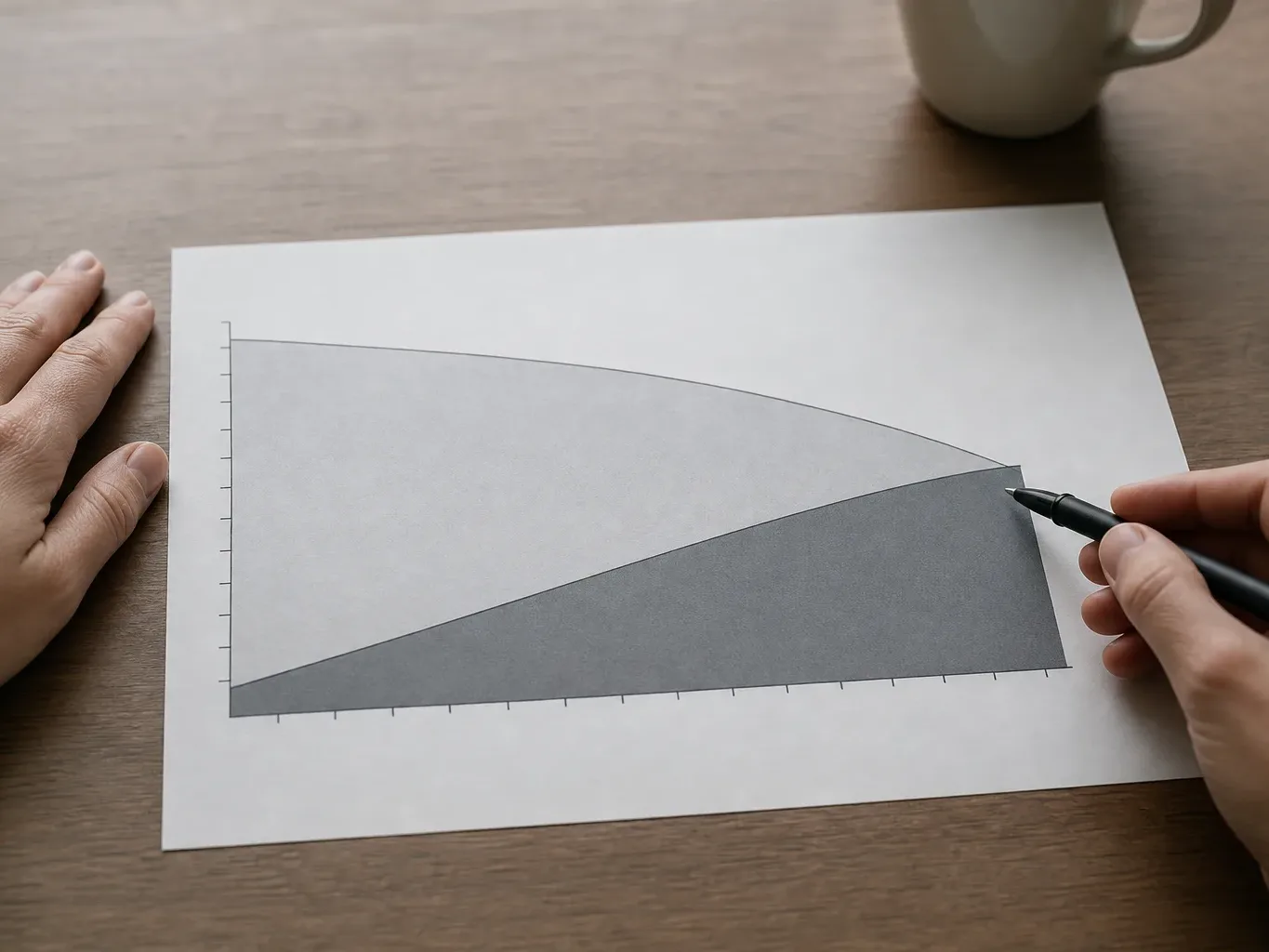
Most Swedish personal loans use an annuity repayment model, called annuitetslån in Swedish. Every month you pay the same total amount, but the split between interest and principal shifts over time. Early payments are heavier on interest; later payments chip away more of the principal.
A separate model, rak amortering (straight-line amortization), keeps the principal payment fixed each month while the interest portion shrinks. Monthly costs start higher but fall steadily. Some lenders offer this as an option, particularly for larger amounts above 100,000 SEK.
The loan period for personal loans in Sweden typically runs between 1 and 15 years. Shorter terms mean higher monthly payments but lower total interest paid. Choosing 3 years over 7 years on a 50,000 SEK loan at 9% effective annual rate saves roughly 8,000–10,000 SEK in total interest, depending on the lender's fee structure.
How the Monthly Payment Is Calculated
Your monthly repayment combines three elements: principal repayment, interest, and any administrative fees. Swedish lenders are required by law to present the effective interest rate (effektiv ränta), which rolls all costs into a single annual percentage. This makes comparing two offers straightforward.
The nominal interest rate (nominell ränta) is the base rate applied to the outstanding balance. Add setup fees and monthly invoice fees and you arrive at the effective rate. A loan advertised at 7.5% nominal might carry an effective rate of 9–11% once fees are included.
Most lenders calculate interest on a daily basis against the remaining balance. A 30-day month and a 31-day month therefore produce slightly different interest charges, though your scheduled payment stays fixed under an annuity arrangement.
The Role of Amortization Tables
When you accept a loan offer in Sweden, the lender must provide an amortization table (amorteringsplan). This document lists every scheduled payment: the date, the total amount due, how much goes to interest, how much reduces the principal, and the remaining balance after each payment.
Reading the table lets you see exactly when the loan is paid off and how much total interest you will pay. Comparing amortization tables from two lenders side by side is more revealing than comparing headline rates alone. A loan with a slightly higher nominal rate but no monthly fee can end up cheaper over five years.

What Affects Your Repayment Schedule in Sweden
Interest Rate Type
Swedish personal loans are almost always fixed-rate, meaning your interest rate and monthly payment stay the same for the entire term. This contrasts with mortgages (bolån), which often have variable rates tied to Riksbanken's repo rate. Fixed rates give you predictability and protect against rate increases.
A small number of lenders offer variable-rate personal loans. These can be attractive when rates are falling but introduce payment uncertainty. Check whether your agreement includes a cap on how high the rate can climb.
Early Repayment and Extra Payments
Swedish consumer credit law (konsumentkreditlagen) gives borrowers the right to repay a loan early at any time. Lenders can charge a fee for early repayment, but only to cover their actual loss of interest income, and the fee is capped by regulation. For loans taken at fixed rates, the fee is typically equivalent to the interest you would have paid over the remaining term, discounted to present value.
Making extra payments reduces the outstanding principal, which cuts the total interest you pay. Some lenders apply extra payments automatically to future instalments rather than the principal; ask explicitly how your lender handles overpayments before sending extra money.
Loan Term and Affordability
Kredittprövning, the creditworthiness assessment lenders must conduct under Swedish law, directly shapes the term you are offered. Lenders look at your income, existing debts, and credit history from Upplysningscentralen (UC) or Bisnode. A strong profile may qualify you for both a lower rate and a longer term; a weaker profile may mean a shorter term with higher monthly payments to reduce lender risk.
Choosing the shortest term you can comfortably afford is generally wise. Extending a 70,000 SEK loan from 5 years to 10 years reduces monthly payments by roughly 400–500 SEK but can add 15,000–20,000 SEK in total interest costs.

Reading Your Loan Agreement
Swedish lenders must provide a standardized European Consumer Credit Information form (Standardiserad europeisk konsumentkreditinformation, often abbreviated SECCI) before you sign. This document spells out the total amount of credit, the effective annual rate, the total amount repayable, and the repayment schedule in plain terms.
Pay close attention to the totalt att betala (total to repay) figure. This is the raw number that reflects your true cost: original principal plus all interest and fees across the full term. It is the most honest single comparison point between competing offers.
Also check the start date of the first payment. Many lenders set the first installment 30–60 days after disbursement, which feels like a relief but simply means one extra month of interest accrues before you start reducing the principal.
What Happens If You Miss a Payment
Missing a scheduled payment triggers a reminder fee (påminnelseavgift), which Swedish law caps at 60 SEK. If the debt remains unpaid after the reminder period, the lender can add a late payment fee and report the arrears to the Swedish Enforcement Authority (Kronofogdemyndigheten). A payment default registered there stays on your credit record for three years and significantly affects your ability to borrow.
Swedish lenders are required to offer restructuring options in genuine hardship situations. Contacting the lender before missing a payment, rather than after, gives you more room to negotiate a temporary payment pause or an extended term. Rådgivningsbyrån (the Swedish budget and debt counseling service) offers free advice and can help you approach your lender if you are struggling.

Frequently Asked Questions
What Is a Personal Loan Repayment Schedule?
A personal loan repayment schedule is a detailed plan showing every payment you must make over the life of the loan. In Sweden it is called an amorteringsplan. Each entry lists the payment date, total amount due, how much covers interest, how much reduces the principal, and the remaining balance. Swedish lenders are legally required to provide this document when you accept a loan offer.
What Is the Difference Between Annuitetslån and Rak Amortering in Sweden?
Annuitetslån keeps your total monthly payment fixed throughout the loan term, but the split between interest and principal changes each month. Rak amortering keeps the principal repayment fixed, so your total payment decreases over time as the interest portion shrinks. Most Swedish personal loans use the annuity model because the fixed payment is easier to budget for.
How Is the Effective Interest Rate Different from the Nominal Rate on a Swedish Personal Loan?
The nominal rate is the base interest percentage applied to your outstanding balance. The effective annual rate (effektiv ränta) adds all fees, such as setup costs and monthly invoice fees, and expresses the total cost as a single annual percentage. Swedish law requires lenders to display the effective rate so you can compare offers accurately. A loan with a lower nominal rate but high fees can have a higher effective rate than a competing offer.
Can You Repay a Personal Loan Early in Sweden?
Yes. Swedish consumer credit law (konsumentkreditlagen) gives you the right to repay all or part of your loan at any time. The lender may charge an early repayment fee, but only to cover actual lost interest income, and the amount is regulated. Paying off early reduces the total interest you pay, so it is worth calculating the fee against your potential savings before deciding.
What Happens If You Miss a Monthly Payment on a Personal Loan in Sweden?
Missing a payment triggers a reminder fee capped at 60 SEK under Swedish law. If the amount stays unpaid, the lender can add further fees and eventually refer the debt to Kronofogdemyndigheten, the Swedish Enforcement Authority. A registered payment default stays on your credit record for three years. Contacting your lender before missing a payment is strongly advisable, as Swedish lenders are required to consider hardship options.