Average Personal Loan APR in Sweden
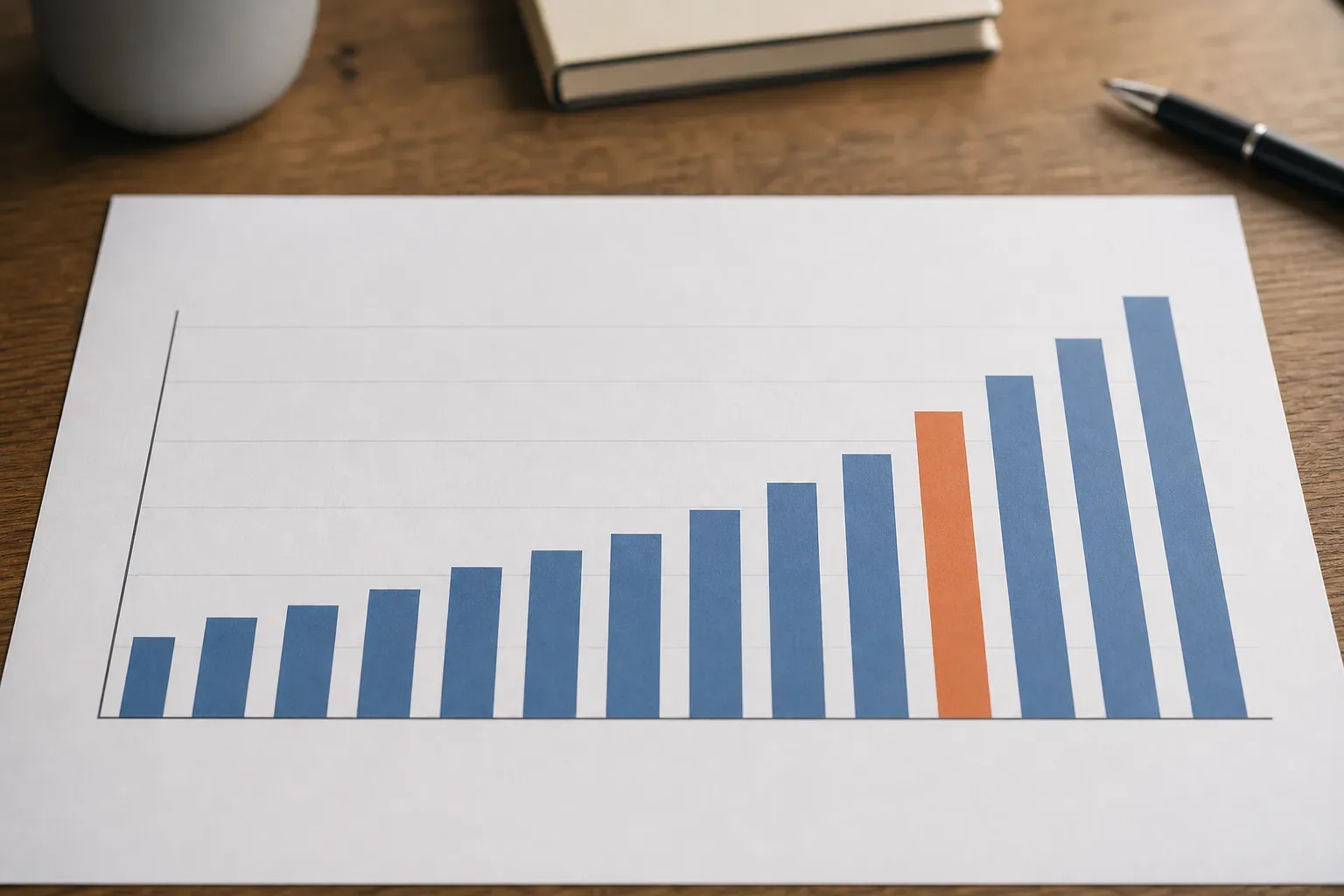
What Borrowers Actually Pay
Personal loan rates in Sweden vary widely depending on the lender, the loan amount, and the borrower's credit profile. As of 2026, the effective annual interest rate (effektiv ränta) on unsecured personal loans typically ranges from around 6% to 30% APR, with the median for creditworthy borrowers sitting closer to 10%–16%. That spread is broad by design: Swedish lenders price risk individually rather than offering a single posted rate to everyone.
The nominal interest rate is just one part of the cost. Swedish lenders are legally required to advertise the effektiv ränta, which folds in fees, setup costs, and compounding. Comparing loans on that number alone gives you a much clearer picture than looking at monthly interest figures.

How Swedish Personal Loan APR Is Structured
Sweden's consumer credit market is regulated under the Konsumentkreditlagen, which implements EU directives on transparent credit pricing. Lenders must show the effective APR in all marketing, alongside a representative example covering loan amount, term, monthly payment, and total cost. This makes side-by-side comparisons relatively straightforward.
Loan amounts typically run from around SEK 5,000 up to SEK 600,000, with terms between 1 and 15 years. Shorter terms on smaller loans tend to carry higher APRs because fixed origination costs get spread over fewer payments. A SEK 10,000 loan over 12 months may show an APR of 25%–35%, while a SEK 150,000 loan over 5 years from the same lender might sit at 8%–12%.
The Role of UC and Credit Scoring
Most Swedish lenders pull credit data from UC AB, the dominant credit bureau in Sweden. A clean UC record with stable income and no payment remarks dramatically lowers your offered rate. Payment remarks (betalningsanmärkningar) can push rates to the top of the legal ceiling or disqualify you outright from mainstream lenders.
Kronofogden records also matter. Any active enforcement action almost always triggers automatic rejection from banks and major digital lenders. If your credit file is clear but your debt-to-income ratio is high, you may still qualify, though at a higher rate.

Typical APR Ranges by Lender Type
Bank-backed personal loans, such as those from Swedbank, SEB, or Handelsbanken, tend to offer the lowest rates to existing customers with solid finances, often in the 6%–12% APR range. These lenders usually require you to be an existing account holder or go through an advisory meeting.
Digital-first lenders and comparison platforms like Lånekoll, Advisa, or Sambla aggregate offers from multiple lenders simultaneously. Through these services, pre-qualified borrowers with strong credit often see APR offers between 8% and 18%. The actual rate is only confirmed after a full credit check.
Consumer finance companies operating in the higher-risk segment, including some installment loan providers, can charge 25%–35% APR or more. Sweden has no formal APR cap on personal loans as of 2026, though proposed and existing regulations do limit certain high-cost credit products, particularly SMS loans.
Why Rates Differ Between Borrowers
Two people applying for the same SEK 80,000 loan on the same day can receive rates 10 percentage points apart. Lenders weigh employment type (permanent versus contract work), monthly disposable income after fixed costs, existing debt obligations, and the loan purpose in some cases. Self-employed borrowers often face slightly tighter scrutiny because income verification is more complex.
Age and residential stability also enter lender scoring models. Younger borrowers without a long credit history typically receive higher offers, even with no negative marks on their file.
How to Find a Rate Below the Average
Using a loan comparison service is the single most effective step. Platforms like Lånekoll send your application to 30 or more lenders at once, returning multiple binding or indicative offers without multiple hard credit inquiries. This lets you pick the lowest APR offer rather than accepting the first number you see.
Paying down existing revolving credit before applying reduces your utilization and can improve your credit score within weeks. Getting a co-applicant with a stronger credit profile, a process called medsökande in Swedish, frequently produces a rate 2–5 percentage points lower than applying solo.
Loan term choice also moves the effective APR. Choosing a shorter repayment period often lowers the rate, though it raises monthly payments. Run the numbers on total cost paid, not just the monthly figure, to identify the most cost-efficient option for your budget.

What the Total Cost Looks Like
A SEK 100,000 loan over 5 years at 12% APR costs roughly SEK 22,250 in total interest and fees, with a monthly payment around SEK 2,037. At 20% APR on the same terms, total interest rises to approximately SEK 39,500 and monthly payments climb to around SEK 2,325. That difference of SEK 17,250 over the life of the loan is real money worth shopping around for.
Swedish lenders are required to provide a standardized European Consumer Credit Information (SECCI) document before you sign. Reading the total amount repayable figure in that document, not just the monthly payment, tells you the true cost of any offer you receive.
Fees That Inflate the Real Cost
Setup fees (uppläggningsavgift) typically range from SEK 0 to SEK 1,000. Monthly administration fees are common, often SEK 0–SEK 50 per month. Both are captured in the effektiv ränta, but a nominally lower interest rate paired with high fees can produce a worse deal than a slightly higher rate with no fees. Always compare on APR, not nominal rate alone.
Early repayment terms are worth checking. Some lenders charge a prepayment fee; others allow full early repayment at no cost. If you expect to repay ahead of schedule, a slightly higher APR with no prepayment penalty can be cheaper overall.
Timing and Market Conditions
Swedish personal loan rates are influenced by the Riksbank's policy rate, which affects what lenders pay to fund their loan books. When the policy rate rises, personal loan APRs tend to follow within a few months. Lenders also adjust for credit cycle conditions, adjusting their risk pricing when default rates in the market shift.
Borrowing during periods of stable or falling Riksbank rates has historically produced better offers for consumers. Monitoring Riksbank announcements alongside your credit preparation gives you more control over the rate environment you enter. Applying when your financial profile is at its strongest and the rate environment is favorable produces the best outcomes.

Frequently Asked Questions
What Is the Average APR for Personal Loans in Sweden?
The average APR for personal loans in Sweden typically falls between 10% and 16% for creditworthy borrowers, though the full range runs from around 6% at the low end to 30% or more for higher-risk applicants. The exact rate depends on your credit history, income, loan amount, and the lender you choose.
What Is the Effektiv Ränta and Why Does It Matter?
The effektiv ränta is Sweden's effective annual percentage rate, which includes the nominal interest rate plus all fees and charges associated with the loan. Swedish law requires lenders to display this figure in all advertising, making it the most reliable number to use when comparing loan offers from different providers.
Does Having a Payment Remark in Sweden Affect My Personal Loan APR?
Yes, significantly. A betalningsanmärkning registered with UC AB signals credit risk to lenders and typically results in either a much higher offered APR or outright rejection from mainstream banks and digital lenders. Resolving any outstanding debts before applying is the most direct way to improve your chances and lower your rate.
Can Using a Co-applicant Lower My Personal Loan Rate in Sweden?
Adding a co-applicant, known as medsökande in Swedish, can reduce your offered APR by 2–5 percentage points if the co-applicant has a stronger credit profile. Lenders assess the combined financial picture, which lowers perceived risk and often produces a better rate than applying alone.
Are There Any Caps on Personal Loan APR in Sweden?
As of 2026, Sweden does not impose a blanket APR cap on standard personal loans, though certain high-cost credit products such as SMS loans face specific regulatory restrictions. This means mainstream personal loan rates can legally reach 30% or more, which is why comparing multiple lender offers before committing is essential.