How to Pay Off Your Personal Loan Early in Sweden - Early Repayment Guide

What Early Repayment Actually Means in Sweden
Paying off a personal loan before its agreed end date is called förtidsåterbetalning in Swedish, and most lenders permit it. The key question is whether it costs you anything to do so. Under Swedish law and EU consumer credit rules, lenders are required to accept early repayment, but they may charge a fee depending on how much time remains on your loan.
For most standard consumer loans in Sweden, the early repayment fee is capped at 1% of the remaining balance if more than one year is left on the term. If less than a year remains, the cap drops to 0.5%. Many online lenders, including Zmarta-listed banks and niche fintech providers, waive this fee entirely on variable-rate personal loans, making early payoff genuinely cost-free.

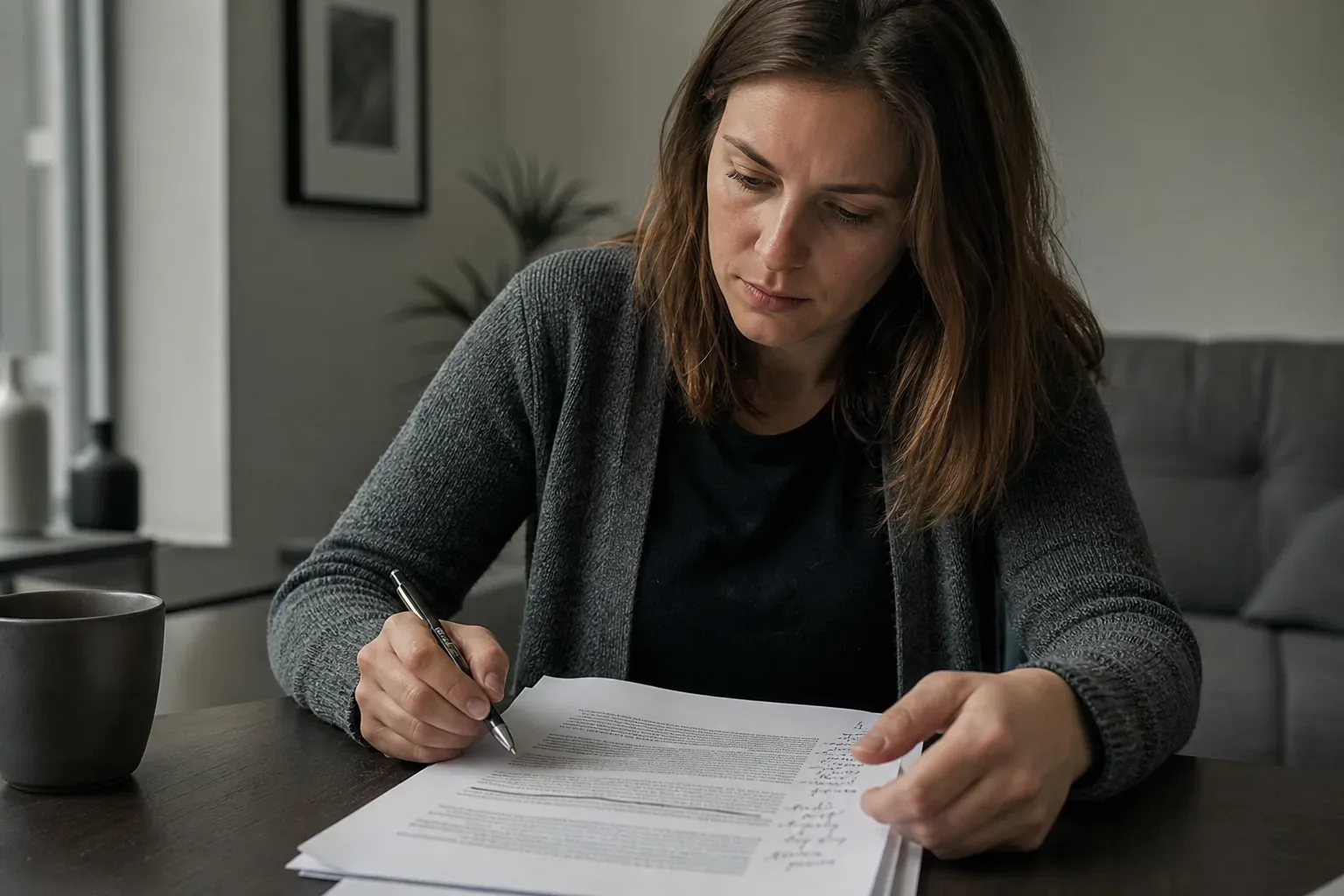
How Swedish Lenders Handle Early Payoff Fees
Fixed-rate loans are more likely to carry an early repayment charge because the lender loses guaranteed interest income. Variable-rate personal loans rarely carry such a fee. Before signing any loan agreement, check the section labeled avgift för förtidsåterbetalning to understand exactly what you would owe.
Fixed-Rate vs. Variable-Rate Loans
Fixed-rate personal loans in Sweden lock in an interest rate for the entire term, giving you predictable monthly payments. If you repay early, the lender applies the EU-mandated cap formula: the fee cannot exceed the interest you would have paid during the remaining term. That usually produces a small number on a three-year loan with one year left, but on a seven-year loan with four years remaining it can be more meaningful.
Variable-rate personal loans adjust with the market rate, so lenders carry less interest-rate risk. Swedish consumer credit law therefore allows these lenders to waive the early repayment fee altogether, and most of them do. Providers such as Nordax, Svea Bank, and Collector Bank have historically offered this structure on their unsecured loan products.
How to Find Out Your Specific Fee
Log into your lender's online portal and look for a section called Mina lån or Lånedetaljer. Most major Swedish banks, including Swedbank, SEB, Handelsbanken, and Länsförsäkringar, display an early repayment figure in real time. If you cannot find it, call the customer service line and ask for a written quote, which they are legally obliged to provide.
Should You Pay Off Your Personal Loan Early
Paying off a personal loan early makes financial sense when the interest you save exceeds any repayment fee you pay. Run a quick calculation: multiply your remaining balance by your annual interest rate, then by the number of months left divided by twelve. Compare that number to the fee you would pay to close the loan today.
For example, a 50,000 SEK balance at 9% annual interest with eighteen months remaining would accrue roughly 5,625 SEK in interest. If your early repayment fee is 500 SEK, closing the loan now saves you 5,125 SEK. That is a straightforward win.
The calculation changes if you hold high-interest credit card debt alongside a low-rate personal loan. Clearing the loan early while carrying 20%-rate card debt costs you more in the long run. Prioritize the debt with the highest rate first, which in Sweden is almost always revolving credit card debt rather than a fixed personal loan.
Step-by-Step Process to Repay Early in Sweden
Contact your lender and request a förtidsåterbetalningskostnad quote in writing. This locks in the fee amount for a defined period, typically 30 days. Review the quote against your available savings before committing.
Once you decide to proceed, transfer the full remaining balance plus any fee to the account number the lender specifies. Do not use a standard monthly payment transfer; lenders typically require a separate payment reference for early closure. After the transfer clears, request written confirmation that the loan is fully settled and ask the lender to update Kronofogden and UC (Upplysningscentralen) records promptly.
What Happens to Your Credit Score
Closing a loan appears on your UC credit file and can briefly affect your credit profile. The impact is usually neutral to mildly positive over a few months because your debt-to-income ratio improves. Swedish lenders assess creditworthiness mainly through UC or Bisnode, so a closed installment loan with zero missed payments is a clean record entry.

Practical Ways to Find Extra Money for Early Repayment
Extra salary income, tax refunds, and annual bonuses are the most common sources Swedish borrowers use. The Swedish Tax Agency (Skatteverket) processes most refunds between April and June each year. Directing that refund straight to your loan balance is one of the most effective single actions you can take.
Selling unused items through platforms like Blocket or Tradera can generate a few thousand kronor quickly. Cutting one recurring subscription or reducing eating out by two or three times per week adds up over a quarter. Small, consistent surpluses applied as partial prepayments reduce your principal and therefore reduce the total interest you pay, even if you never fully close the loan ahead of schedule.
Partial Prepayments vs. Full Early Repayment
Many Swedish lenders accept partial prepayments without charging a fee. A 5,000 SEK lump-sum payment on a 60,000 SEK balance reduces the principal immediately, which lowers the interest calculated in subsequent months. Doing this quarterly compounds the benefit significantly across a five-year term.
Full early repayment makes the most sense when you have a lump sum large enough to clear the loan entirely or leave less than a few months of payments. Partial prepayments suit borrowers who want to chip away steadily while keeping a cash reserve.
Checking Your Loan Agreement Before You Act
Swedish loan agreements must clearly state the annual percentage rate (APR), the total repayable amount, and all applicable fees, including early repayment charges. Look for the standardized European Consumer Credit Information (SECCI) form, which every Swedish lender must provide. It summarizes fees in a format designed to be readable without legal training.
If any clause is unclear, Konsumenternas Bank- och finansbyrå offers free, impartial guidance to Swedish consumers on credit agreements. Their advisors can confirm whether a fee your lender is quoting is compliant with current Swedish consumer credit law. Acting on accurate information avoids overpaying or missing a legitimate saving.

Frequently Asked Questions
Should You Pay Off a Personal Loan Early?
Yes, if the interest you save outweighs any early repayment fee. Calculate your remaining interest, subtract the fee your lender quotes, and if the result is positive you will save money by closing the loan now. In Sweden, variable-rate personal loans often carry no early repayment fee at all, making the decision even clearer.
Do Swedish Lenders Charge a Fee for Early Repayment of a Personal Loan?
They can, but the fee is capped by law. For fixed-rate personal loans, the charge cannot exceed 1% of the remaining balance if more than one year is left, or 0.5% if less than one year remains. Many variable-rate personal loan providers in Sweden waive the fee entirely.
How Do I Request an Early Repayment Quote from My Swedish Lender?
Log into your lender's online portal and look for your loan details, or call customer service and ask for a written förtidsåterbetalningskostnad quote. Swedish lenders are legally required to provide this figure in writing, and it is typically valid for 30 days so you have time to decide.
Will Paying Off a Personal Loan Early Hurt My Credit Score in Sweden?
No, closing a loan early generally has a neutral to mildly positive effect on your credit profile over time. Swedish credit bureaus like UC record the account as fully settled, and a clean repayment history with zero missed payments is viewed positively by future lenders.
Can I Make Partial Prepayments Instead of Repaying My Swedish Personal Loan in Full?
Yes, most Swedish lenders accept partial prepayments and typically do not charge a fee for them. Applying a lump sum to your principal reduces the balance on which interest is calculated, lowering your total cost even if you never fully close the loan before its end date.