Documents You Need to Apply for a Personal Loan in Sweden
Swedish lenders approve or reject personal loan applications largely based on the paperwork you submit. Getting the right documents together before you apply speeds up the process, reduces back-and-forth with the bank, and gives you the best shot at the rate you want. Most lenders in Sweden, whether traditional banks like Handelsbanken or online platforms like Zmarta or Lendo, follow a similar checklist.
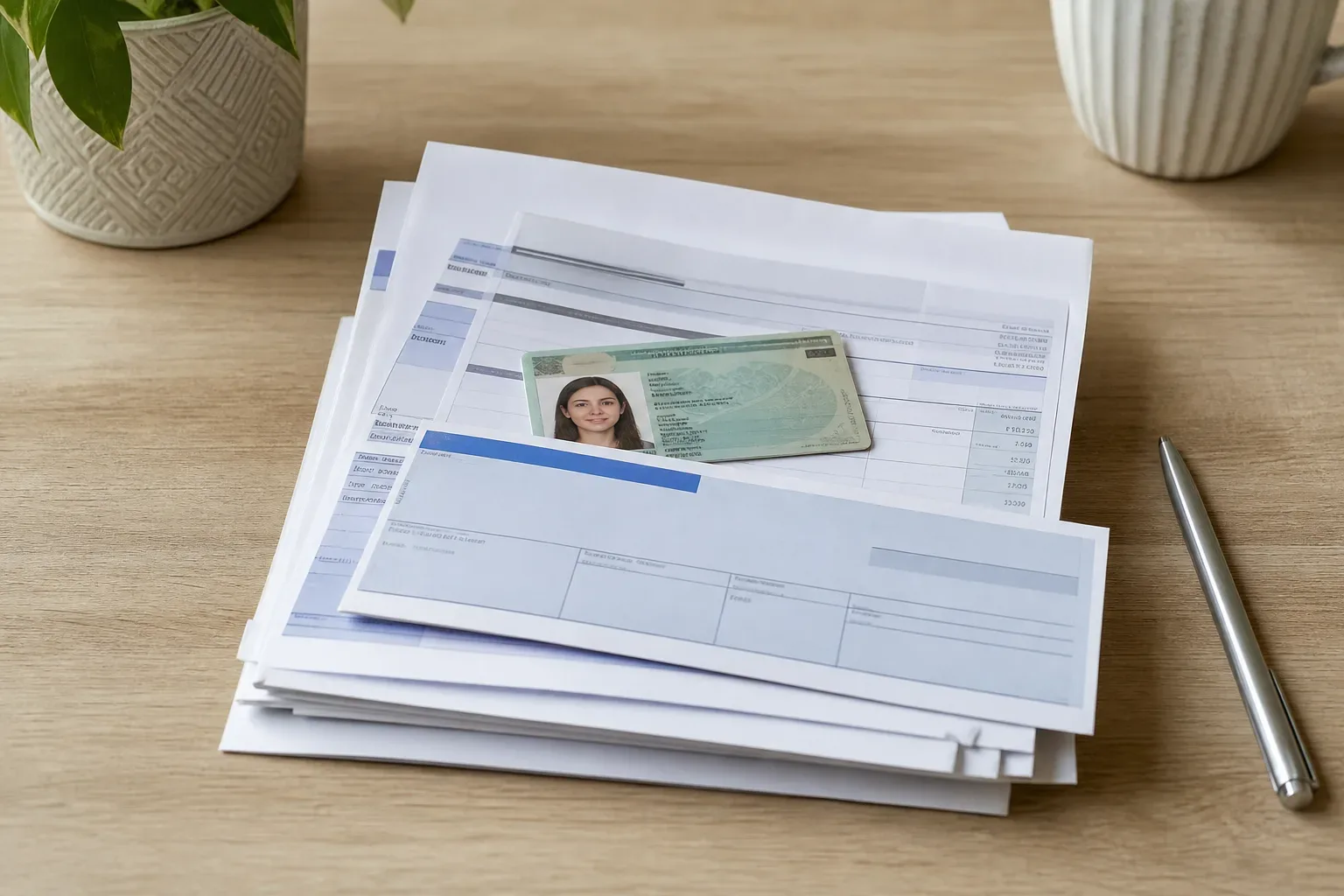
What Documents Do I Need for a Personal Loan Application
You typically need a valid government-issued ID, proof of income, and your Swedish personal identity number (personnummer) at a minimum. Some lenders also request proof of address and details of existing debts. The exact list varies slightly between lenders, but the core set is consistent across the Swedish market.
Having everything ready before you start an application cuts processing time from several days down to hours in many cases. Missing a single document is the most common reason applications stall.

Identity Documents
A valid Swedish ID card or passport is the standard requirement. If you hold a residence permit, a Migrationsverket-issued card combined with your passport usually satisfies the ID requirement. Your personnummer is central to almost every financial transaction in Sweden, so lenders will verify it against Skatteverket records automatically.
Some online lenders use BankID to verify your identity digitally, removing the need to upload physical copies of your ID at all. If you have BankID set up on your phone or computer, the identity step takes under a minute.
Proof of Income
Lenders need confidence that you can repay what you borrow. The documents they accept depend on how you earn your income.
Employed Full-Time
A recent payslip (lönspecifikation) is the most straightforward proof. Most lenders want the two or three most recent months. Some also request an employment contract to confirm your position is permanent rather than temporary, since lenders treat tillsvidareanställning differently from a visstidsanställning when assessing risk.
Self-Employed or Running a Business
Sole traders (enskild firma) and company owners typically need to provide tax returns (inkomstdeklaration) for the past two years, along with a certificate from Skatteverket showing no outstanding tax debts. If your company files accounts separately, recent annual reports may also be requested.
Pension or Benefits Income
Pensioners can use their pension statement from Pensionsmyndigheten. People receiving other forms of income from Försäkringskassan, such as parental pay or sickness benefit, should check with the specific lender, as policies differ on whether these count toward the repayable income threshold.
Bank Account Information
Most lenders deposit loan funds directly into a Swedish bank account and require you to set up direct debit for repayments. You will need to provide your account number and clearing number (clearingnummer). This is usually taken from a recent bank statement or through your internet banking details.
Some lenders ask for one to three months of bank statements to cross-check that your stated income matches your actual deposits. This step is more common with larger loan amounts.
Proof of Address
Because the Swedish population register (folkbokföring) is centrally maintained by Skatteverket, many lenders verify your address automatically using your personnummer. You may not need to provide a separate proof-of-address document at all.
If you have recently moved and your folkbokföring has not yet been updated, a utility bill or a lease agreement in your name can serve as a temporary workaround. Keep in mind that updating your folkbokföring is straightforward through Skatteverket's e-tjänster portal and worth doing before you apply.
Debt and Credit Information
You do not usually need to gather your own credit report. Swedish lenders run a kreditupplysning through agencies like UC (Upplysningscentralen) or Creditsafe as part of their process. This check pulls your existing loans, credit card balances, and any payment remarks automatically.
What you should do is note down your existing monthly obligations, since some lenders ask you to self-declare debts during the application form. Discrepancies between what you declare and what the credit check shows can raise flags. Being accurate and consistent saves time.


Documents That Can Strengthen Your Application
Beyond the essentials, a few extra documents can work in your favor.
Proof of Assets
If you own property or have significant savings, some lenders will factor these into their assessment, particularly for larger unsecured loans above 100,000 SEK. A mortgage statement or a savings account summary can support your case, even if these assets are not formally required.
Co-Applicant Documents
Applying with a co-applicant (medsökande) can improve your chances if your own income is borderline. Both applicants need to provide the same core documents: ID, income proof, and bank details. Both are also subject to individual credit checks.
How Creditworthiness Affects What Lenders Request
Lenders in Sweden use a creditworthiness assessment called kreditprövning, which is legally required under the Consumer Credit Act. The depth of the documents they request scales with the loan size and the applicant's credit profile.
For a loan under 50,000 SEK, many digital lenders need little more than BankID verification and a quick income declaration. For amounts closer to 600,000 SEK (the upper limit for unsecured personal loans under Swedish consumer credit rules), expect to submit full tax returns, recent payslips, and a detailed breakdown of monthly expenses. Knowing which tier your loan amount falls into helps you prepare the right level of documentation from the start.

Preparing Your Documents - a Practical Checklist
Gathering everything in advance is far more efficient than responding to lender requests one document at a time. Here is a practical summary of what to have ready:
- ID: Valid Swedish ID card, passport, or residence permit card
- Personnummer: Confirmed and registered with Skatteverket
- Proof of income: Last 2–3 payslips, or two years of tax returns if self-employed
- Employment confirmation: Contract showing employment type, if requested
- Bank details: Account number and clearingnummer
- Bank statements: Last 1–3 months, for larger loan amounts
- Debt summary: A note of your current monthly loan and credit card payments
- Proof of address: Only if your folkbokföring is not current
- BankID: Set up and active for digital applications
Running through this list before you hit submit puts you in the strongest possible position and avoids the delays that catch many applicants off guard.
Frequently Asked Questions
What Documents Do I Need for a Personal Loan Application?
In Sweden, the standard documents are a valid ID (Swedish ID card or passport), your personnummer, proof of income such as recent payslips or tax returns, and your bank account details. Lenders run a credit check automatically, so you do not need to source your own credit report. For larger loans, bank statements and an employment contract may also be requested.
Can I Apply for a Personal Loan in Sweden Without a Personnummer?
Most Swedish lenders require a personnummer because it links to Skatteverket records, folkbokföring, and the credit check process. Some lenders may accept applicants with a samordningsnummer issued by Skatteverket, but options are more limited. It is worth contacting individual lenders directly to confirm their specific requirements if you do not yet have a full personnummer.
Does Being Self-employed Make It Harder to Get a Personal Loan in Sweden?
Self-employed applicants are not automatically rejected, but they typically need to provide more documentation than salaried employees. Two years of tax returns (inkomstdeklaration) and a certificate from Skatteverket confirming no tax debts are usually required. Consistent income across both years strengthens the application considerably.
How Long Does a Personal Loan Application Take in Sweden?
With digital lenders using BankID and pre-filled Skatteverket data, approval can come within a few hours. Traditional banks may take one to three business days. Having all documents ready before applying is the single biggest factor in reducing processing time, since most delays are caused by missing paperwork rather than the lender's internal process.
Will Applying for a Personal Loan Affect My Credit Score in Sweden?
Yes, Swedish lenders run a kreditupplysning through agencies like UC or Creditsafe, and each hard inquiry is recorded. Multiple applications in a short period can signal financial stress to future lenders. Using a loan comparison service that conducts a single soft check before presenting offers helps you shop around without accumulating multiple hard inquiries.